
Exploitable Results
Explore the results that the project has delivered, including new tools, systems, and methods to support the use of wind propulsion in shipping.
KER1
Holistic design and optimisation procedures for wind propulsion

Certain physical processes, traditionally overlooked in ship design and optimisation, become significant factors in the performance of ships with substantial wind propulsion. Procedure for designing and optimising such ships have been developed.
-
Certain performance characteristics are specific to ships with substantial wind propulsion. These include changes in the ship’s attitude, such as drift, heel and rudder angles, as well as different operating points of the ship’s conventional propulsion system. This affects fuel consumption as well as manoeuvrability. The procedures developed as part of the OPTIWISE project account for these characteristics during the vessel's design.
-
A vessel with substantial wind propulsion, designed using the procedures developed in the project, will exhibit more predictable and enhanced performance compared to a vessel designed with traditional methods.
-
Design of new vessels with wind propulsion or retrofit of wind propulsion to existing vessels.

Gate-Rudder technology has been proven to give better course-keeping capabilities for operation with unloaded propellers, due to positive contributions of WASP. WASP induced sway-forces are compensated more effectively with Gate-Rudder.
-
CFD simulations of ships with propellers and rudders proved that the sway-force generation of Gate-Rudder is independent of the propeller loading, which is clearly different from conventional rudders located in the wash of the propeller.
-
Sailing with WASP with lower rudder angles, which allow for harvesting more wind power and results in higher overall efficiency
-
Bulkers and tankers are first vessel type to address given the suitability of WASP application.

KER3
Energy Management and Control System (EMCS) for Wind Propulsion Solutions

Our study compared two engine configurations: a 2-stroke with shaft generator and a 4-stroke with PTO/PTI systems. The Energy Management System optimised both setups, with the 2-stroke configuration eliminating auxiliary engines and the 4-stroke configuration excelling during low-load conditions with wind propulsion.
-
This research advances the integration of Energy Management Systems (EMS) in wind-assisted propulsion ships, offering an innovative approach to balancing power demand dynamically between different energy sources. The findings address key challenges in optimizing fuel consumption while integrating renewable energy sources, such as solid sails and Flettner rotors, which introduce additional power demands. Unlike traditional EMS implementations that focus primarily on diesel-electric or hybrid-electric systems, this study explores how an optimized EMS strategy can leverage the energy distribution among the assets of an engine room, for wind propelled ships, to reduce fuel consumption and carbon emissions while ensuring operational stability.The research also highlights the importance of PTO/PTI coordination in 4-stroke engines and the role of shaft generators in 2-stroke engines, providing insights into the best configurations for specific voyage and load conditions.
-
The implementation of EMS in hybrid-electric and wind-assisted ships offers multiple benefits, including significant fuel savings, enhanced operational efficiency, and reduced greenhouse gas emissions. By intelligently distributing power loads, the EMS minimizes engine wear and tear, thereby extending the lifespan of critical propulsion and power generation components. Additionally, the ability to dynamically adjust power allocation enhances voyage flexibility, allowing vessels to take full advantage of available wind energy while ensuring reliable performance under varying operational conditions.
-
This research has direct applications in next-generation maritime transport, particularly for vessels aiming to comply with IMO decarbonization targets. It is applicable to cruise vessels (e.g., Orient Express Silenseas), which integrate solid sails with electric propulsion, and bulk carriers (e.g., NewCastleMax), where Flettner rotors serve as auxiliary propulsion systems. The EMS framework is also valuable for hybrid-electric ships, ferries, and offshore support vessels, where optimizing the interaction between batteries, diesel generators, PTO/PTI systems, and renewable energy sources is critical to achieving sustainable operations.

Fuel consumption diagram versus 2-stroke engine load for the 4-stroke engine with PTO scenario.
-
Figure above offer key insight into the impact of applying the Energy Management System (EMS) in the scenario with 4-stroke engines. Specifically, it reveals that when the load on the 2-stroke engine drops below 20-30%, the 4-stroke engines become more fuel-efficient. Specifically, the analysis reveals that when the brake power of the 2-stroke engine falls below 3,000 to 4,000 kW on average, the 4-stroke engines demonstrate superior fuel efficiency. This is because, at lower power levels, the 4-stroke engines are better optimized to operate efficiently, particularly in scenarios where the load is reduced. However, as the brake power of the 2-stroke engine exceeds 6,000 kW, which corresponds to about 40% of its full load capacity, the 2-stroke engine becomes more fuel-efficient, showing an efficiency advantage of approximately 2-5%. This shift in fuel efficiency between the two engine types emphasizes the importance of understanding the operational load range and the specific power demands of the system. When operating at higher loads, the 2-stroke engine can deliver better fuel consumption rates, making it more suitable for higher propulsion power requirements.
KER4
Ship operations and Human Machine Interface (HMI)

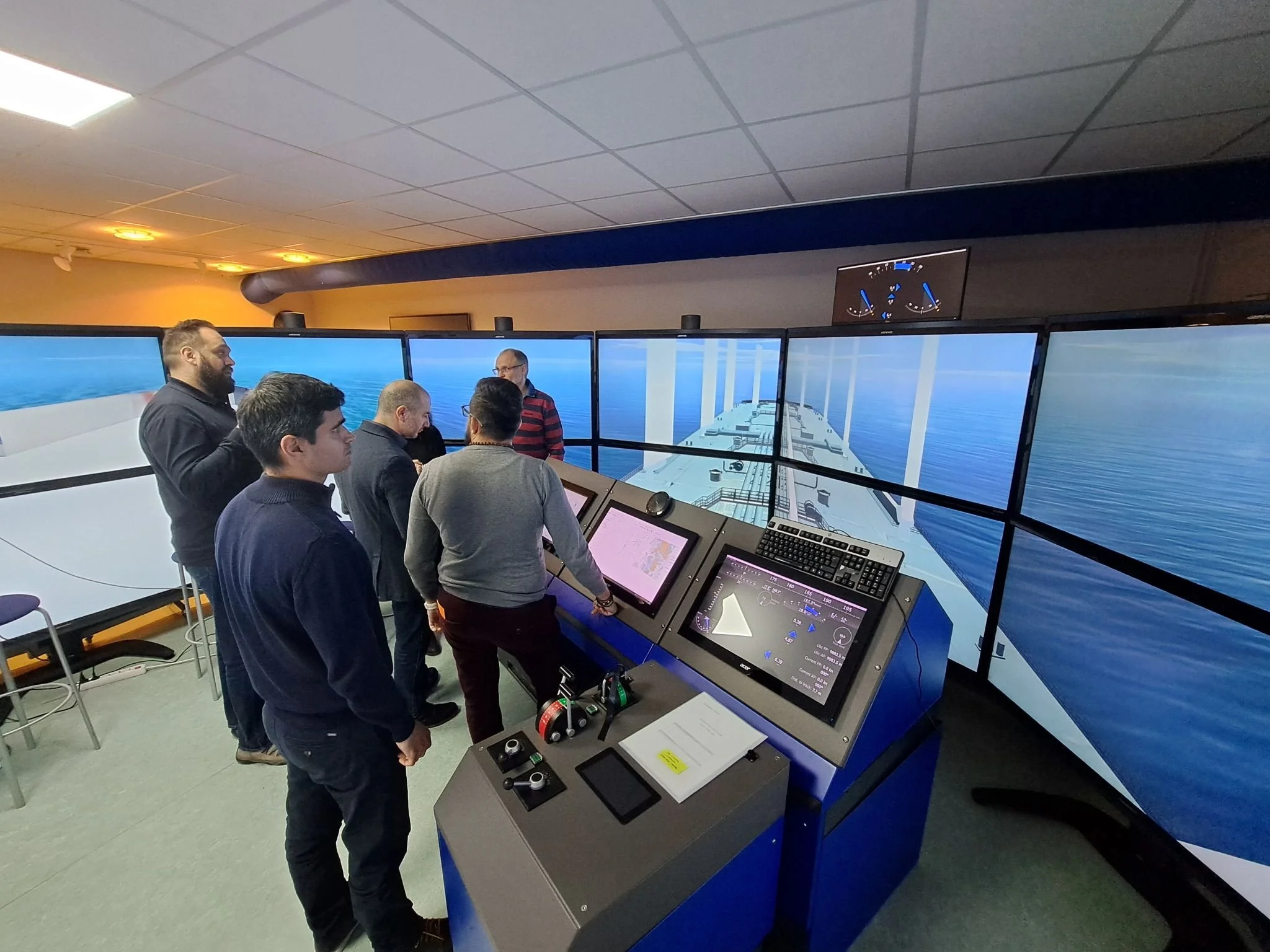
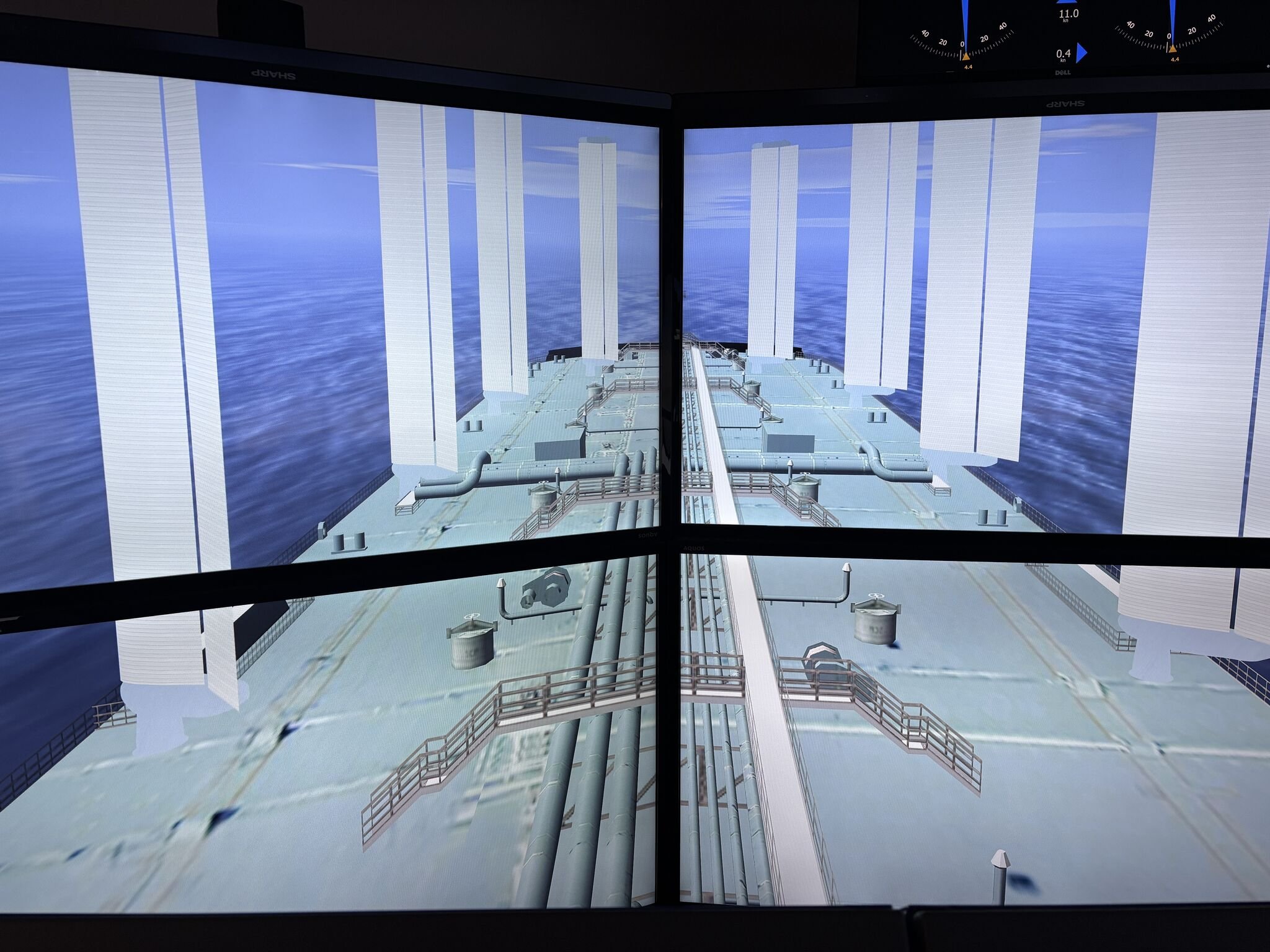
The bridge simulations revealed that incorporating wind-assisted propulsion on a ship impacts on-board operations, providing state of the art user interfaces allowing the crew to interact with the sail system is required. The simulations gave in dept insight into situational awareness, workload, and procedural changes.
-
This research helps establish guidelines for implementing procedures and adopting a crew-centered design perspective when integrating new systems. Additionally, the study provides a basis for developing training and qualification programs
-
Using Bridge simulations, with an assessment of human factors, we make sure that the crew can safely and efficiently operate the vessel with substantial wind propulsion. If points of improvement are identified, we will provide advice on how to improve operations, the design and the human interface design
-
In the early stages of development of wind assist systems incorporating a crew centred perspective by performing simulator studies. This provides clear system design requirements for the wind propulsion system and control of it. It allows for first time right system development.
Large Motion Bridge Simulator where the simulations were performed
The results indicate a shift in route navigation and manoeuvring due to wind propulsion, requiring new decisions and actions along a route. Officers must monitor parameters like wind, speed, and ship proximity differently, and interact with the sails control system for optimal performance and safety.
-
This study addresses the lack of Human Factors research in Wind Propulsion, evaluating control system design from a user's perspective to understand its impact on officers' work, procedures, regulatory compliance, and training.
-
Involving mariners in system design enhances usability, efficiency, safety, and emission reduction, ensuring their expertise shapes the development of their work tools.
-
The evaluation methodology used in this study is broadly applicable to any human-centered design and assessment process of interactive systems. This approach is particularly recommended for the future development of wind propulsion systems and crew training programs. By focusing on user experience and operational needs, the methodology ensures that new technologies are effectively integrated into existing workflows, enhancing usability, safety, and performance. Additionally, this approach can be adapted to other maritime technologies and training initiatives, promoting a holistic and user-informed development process across the industry.

KER5
Optimised wind propulsion systems

Thanks to OPTIWISE, Anemoi have been able to considerably improve the Rotor Sail designs in various aspect making them much more efficient, cost effective and easier to install on a vessel.
-
The changes in the current state-of the-art are mainly to do with mass reduction of the overall structure as well as reduction in energy consumption leading to improved efficiency of the Rotor Sails.
-
Structural steel mass reduction over 10%
Improved efficiency of mechanical systems allowing 11% power saving consumption
Overall cost saving of over 15%
-
Design of Rotor Sail

The work done on the full-scale prototype allowed validation of different component optimisation improving system performances, operations, weight and cost, to test the new Solid Sail Jib and the performance measurements at full scale. The aerodynamic prediction based on Computational Fluid Dynamics and Fluid Structure Interaction has been validated with wind tunnel tests and full-scale measurements.
-
The validation of the numerical models with experimental data will reduce the need for experimental testing in performance prediction, thus reducing the cost and time necessary to give valuable and reliable data to internal or external stakeholders.
-
The refinement of the numerical model improves the accuracy of the performances prediction of ships equipped with SolidSails, thus improving the energy saving potential estimation.
-
Optimization of SolidSail rig, design of new products, performance predictions
Full Scale prototype of the Solid Sail at Chantiers de l’Atlantique


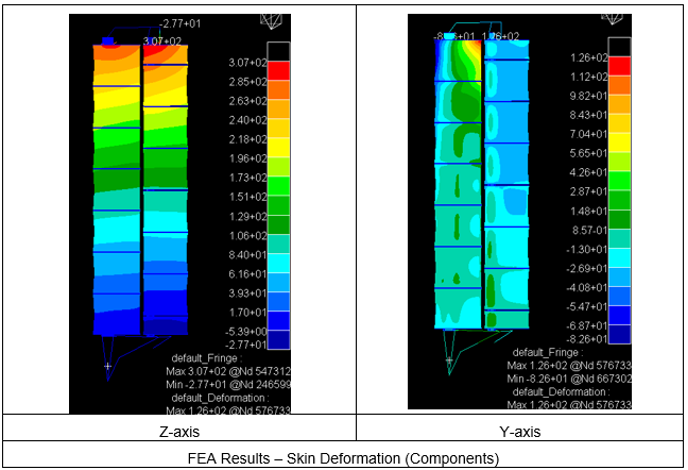
The work done on the Fluid-Structure Interaction (FSI) tool resulted in a very efficient design workflow that speeds up the product development and the accuracy of the modelling. The wind tunnel tests have validated the CFD aerodynamic predictions. These activities have made available to Oceanwings a comprehensive approach to optimising its wind propulsion systems.
-
The work done has allowed OceanWings to completely simulate the complex behavior of the soft membranes and associated structures under the aerodynamic and inertial loads thus allowing to further refine the design of the new products.
-
The creation of the FSI tool and execution of the wind tunnel test campaign used to validate the CFD computations wouldn’t have been possible in the time available for a startup like Oceanwings.
-
Optimisation of existing products, design of the new products, performance predictions, aerodynamic simulations.
Wind Tunnel Model of the OceanWing. The model is at 1/15 scale and reproduces the geometry of the wings installed on the Canopée ship


Results of FSI computations
KER6
Methods to execute manoeuvring and seakeeping tests with substantial wind propulsion
Existing procedures for assessing the manoeuvrability and course-keeping of conventionally propelled vessels at design stage are not suitable for ships with substantial wind propulsion. As part of the OPTIWISE project, new methodologies have been developed to assess vessel with wind propulsion.
-
Filling the gap in the conventional process for assessing manoeuvrability of ships at design stage by developing a) ways to take into account the wind propulsion force on a ship when hydrodynamic model testing with free sailing model b) possible criteria for checking the course keeping of ships with substantial wind propulsion when tested in physical and digital test. Proposing manoeuvres and wind and waves conditions to be used for assessing the manoeuvrability.
-
The main benefit is the possibility to assess the performances of vessel with wind propulsion at an early stage of the design and eventually introduce design changes to enhance both the vessel performances and safaty.
-
Assessing the manoeuvrability and course-keeping of new vessels with wind propulsion at the design stage, as well as existing vessels planned for wind propulsion retrofitting.
OPTIWISE Tanker model used during the tests at RISE Maritime dynamic laboratory

KER5
Optimised wind propulsion systems
Large Motion Bridge Simulator where the simulations were performed
The bridge simulations revealed that incorporating wind-assisted propulsion on a ship impacts on-board operations, providing state of the art user interfaces allowing the crew to interact with the sail system is required. The simulations gave in dept insight into situational awareness, workload, and procedural changes.
-
This research helps establish guidelines for implementing procedures and adopting a crew-centered design perspective when integrating new systems. Additionally, the study provides a basis for developing training and qualification programs
-
Using Bridge simulations, with an assessment of human factors, we make sure that the crew can safely and efficiently operate the vessel with substantial wind propulsion. If points of improvement are identified, we will provide advice on how to improve operations, the design and the human interface design
-
In the early stages of development of wind assist systems incorporating a crew centred perspective by performing simulator studies. This provides clear system design requirements for the wind propulsion system and control of it. It allows for first time right system development.
The results indicate a shift in route navigation and manoeuvring due to wind propulsion, requiring new decisions and actions along a route. Officers must monitor parameters like wind, speed, and ship proximity differently, and interact with the sails control system for optimal performance and safety.
-
This study addresses the lack of Human Factors research in Wind Propulsion, evaluating control system design from a user's perspective to understand its impact on officers' work, procedures, regulatory compliance, and training.
-
Involving mariners in system design enhances usability, efficiency, safety, and emission reduction, ensuring their expertise shapes the development of their work tools.
-
The evaluation methodology used in this study is broadly applicable to any human-centered design and assessment process of interactive systems. This approach is particularly recommended for the future development of wind propulsion systems and crew training programs. By focusing on user experience and operational needs, the methodology ensures that new technologies are effectively integrated into existing workflows, enhancing usability, safety, and performance. Additionally, this approach can be adapted to other maritime technologies and training initiatives, promoting a holistic and user-informed development process across the industry.